UCSF Cardiovascular Research Institute

The Fidler Lab

We use human genetics to study how immune cells and stromal cells interact in the vessel wall to cause atherosclerotic cardiovascular disease.

What we study

Cardiovascular biology, from the vessel wall to the whole patient.

The Fidler Lab is based in the UCSF Cardiovascular Research Institute, with a joint appointment in the Department of Physiology. We use human genetics to drive mechanistic studies into how hematopoiesis and immune cells interact with stromal cells in the vasculature to cause atherosclerotic cardiovascular disease (ASCVD).

Our work spans four connected questions: how clonal hematopoiesis raises cardiovascular risk, how immune and structural cells talk to each other in diseased vessels, how genetic risk variants translate into biological mechanism, and what drives immune cell activity inside plaque itself.

Research areas

Four questions we keep coming back to

Blood & vessel

Clonal hematopoiesis and cardiovascular disease

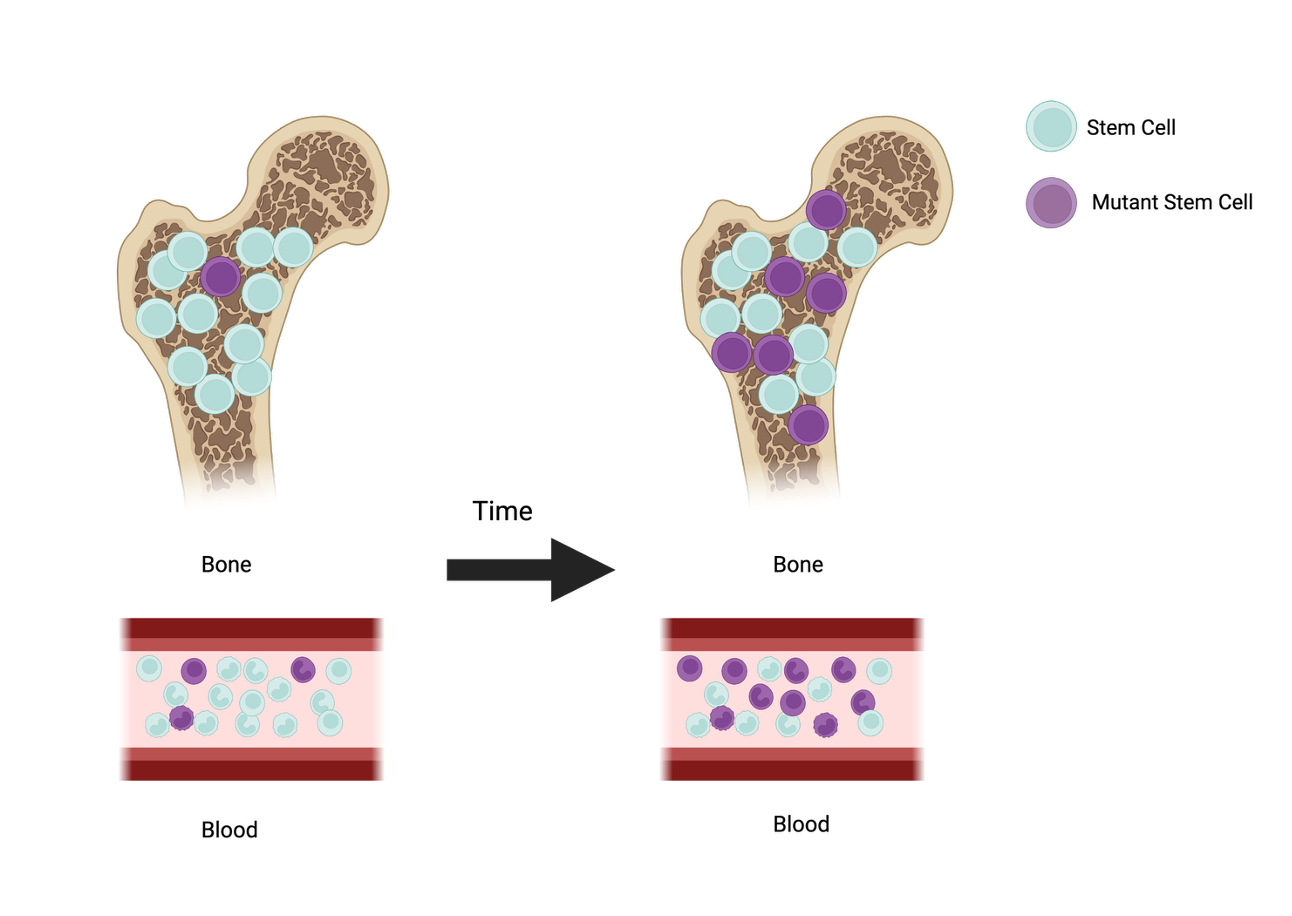
Diagram showing a mutant stem cell in bone marrow expanding over time and increasing mutant cells circulating in the blood

As people age, blood-forming stem cells can pick up mutations that expand into a "clone" circulating throughout the body — a surprisingly common condition called clonal hematopoiesis. We study how these mutated immune cells drive inflammation in blood vessels and speed up the buildup of arterial plaque. In our founding study, we showed that a mutation in the gene JAK2 causes macrophages to accumulate DNA damage and become hyperinflammatory, activating a molecular alarm system that accelerates atherosclerosis (Fidler et al., Nature, 2021). We've since shown that a different mutation, in the gene ASXL1, raises cardiovascular risk through a similar increase in inflammatory activity (Yu et al., Journal of Clinical Investigation, 2023) — together showing that not all clonal hematopoiesis mutations carry the same risk.

Plaque biology

Immune-stromal crosstalk in atherosclerosis and aneurysm

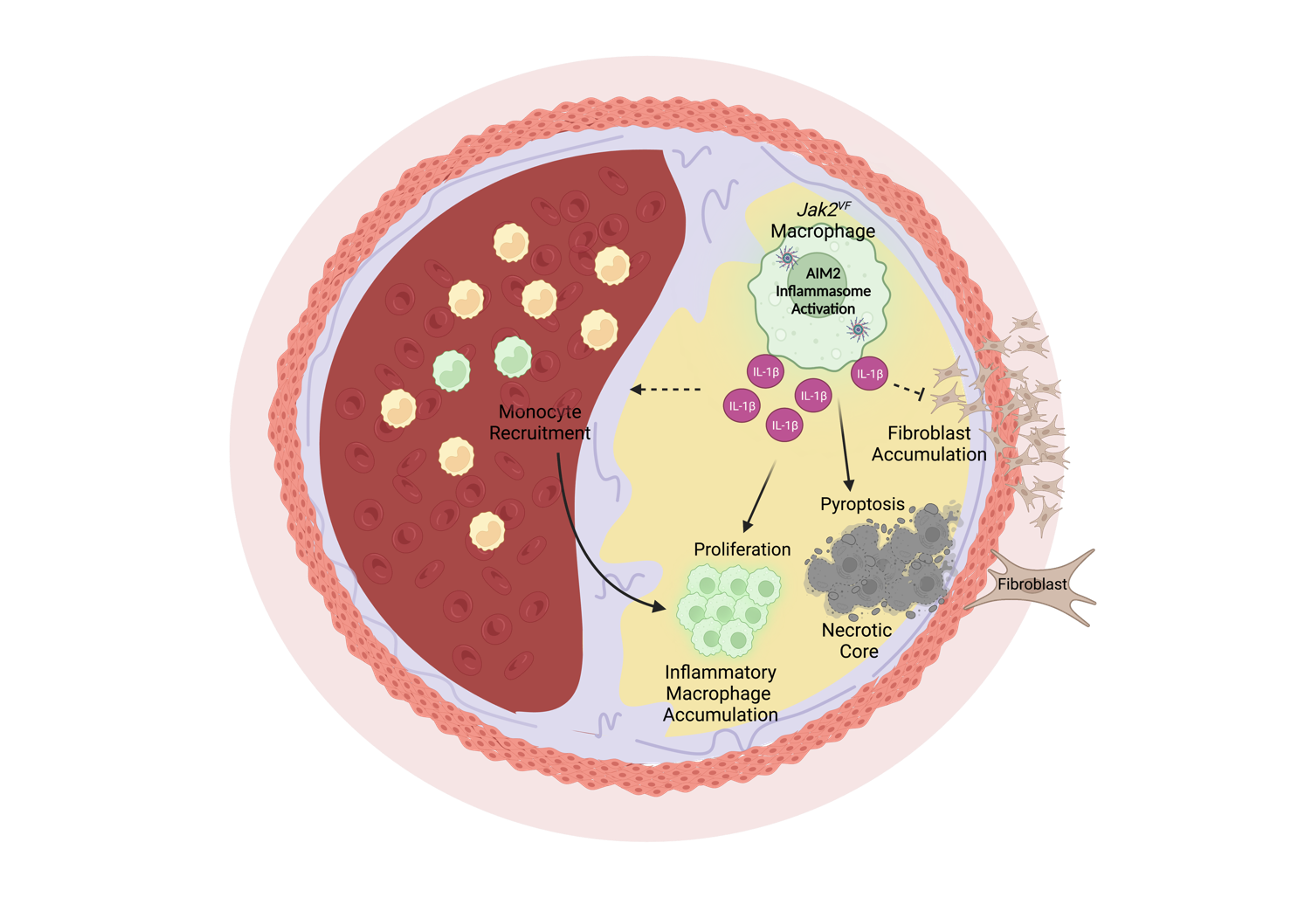
Diagram of a plaque cross-section showing Jak2-mutant macrophages activating the AIM2 inflammasome, releasing IL-1β to drive monocyte recruitment, inflammatory macrophage accumulation, fibroblast pyroptosis, and necrotic core formation

Blood vessels aren't just passive pipes — inflammation reshapes how their supporting cells behave. We've found that certain anti-inflammatory signals can promote the growth of protective scaffolding cells that stabilize plaque and reduce its likelihood of rupturing. We're extending this work to abdominal aortic aneurysm, using advanced tissue-mapping techniques on human samples to understand how immune and structural cells organize themselves as the aneurysm forms.

Genetics

Linking genetic risk to inflammatory atherosclerosis

Large genetic studies have linked hundreds of locations in the genome to heart disease risk, but for most of them, we don't know what they actually do in the body. We've built a screening approach that lets us test many candidate genes directly in living immune cells, to find out which ones causally drive plaque inflammation — turning a long list of genetic associations into concrete biological mechanisms.

Immunology

Antigen drivers of T cell expansion in plaque

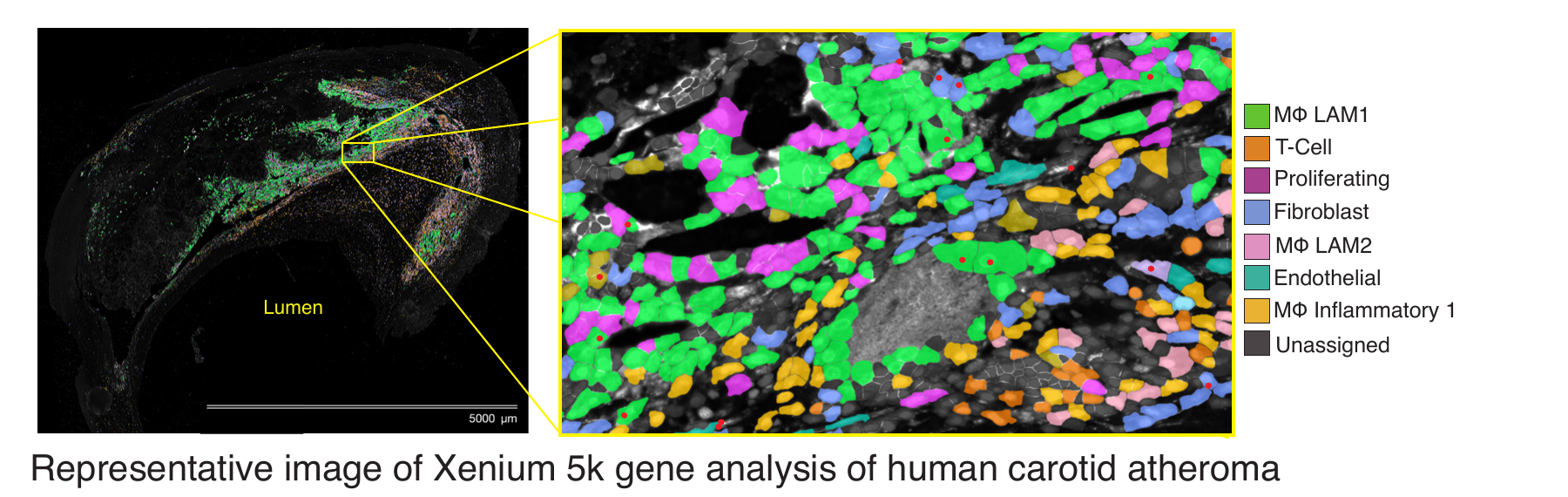
Representative image of Xenium 5k gene analysis of human carotid atheroma, showing a whole-section scan with a zoomed inset labeled by cell type: MΦ LAM1, T-cell, proliferating, fibroblast, MΦ LAM2, endothelial, MΦ inflammatory 1, and unassigned

A specific type of immune cell, CD8 T cells, accumulates heavily in human arterial plaque, but what triggers them to expand there has been a longstanding mystery. We're using a high-throughput screening technology to test blood and plaque samples from patients directly, aiming to identify the specific triggers behind this immune response in disease.

People

The lab

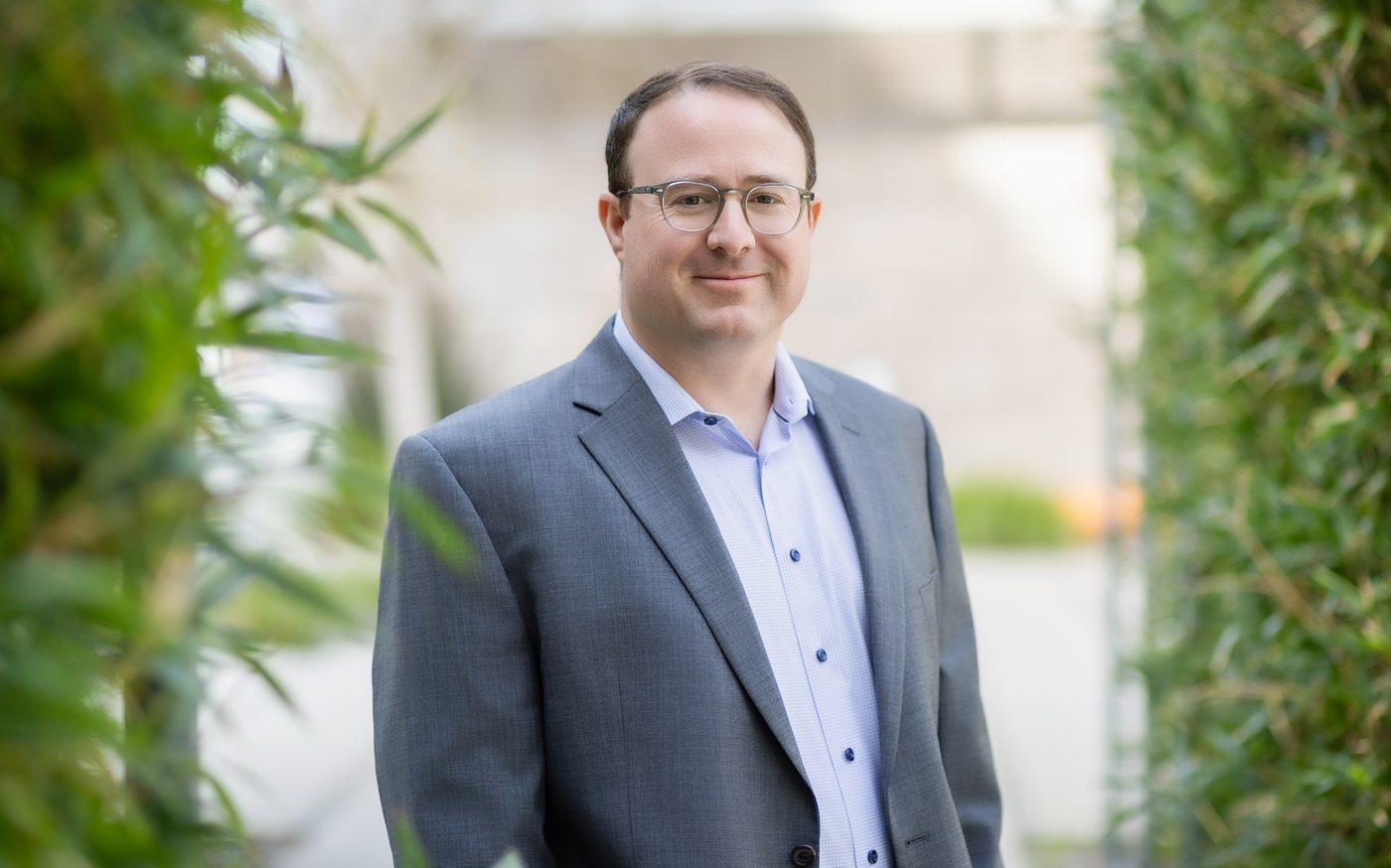
Portrait of Dr. Trevor Fidler

Trevor P. Fidler, PhD

Principal Investigator · Assistant Professor In Residence, Cardiovascular Research Institute

Dr. Fidler's lab uses human genetics to study how immune cells and stromal cells interact in the vessel wall to drive atherosclerotic cardiovascular disease, with a particular focus on clonal hematopoiesis. His work identifying the AIM2 inflammasome's role in clonal hematopoiesis-driven atherosclerosis was published in Nature (2021). He trained with Alan Tall at Columbia University and Dale Abel at the University of Utah. Full publication list →

Current lab members

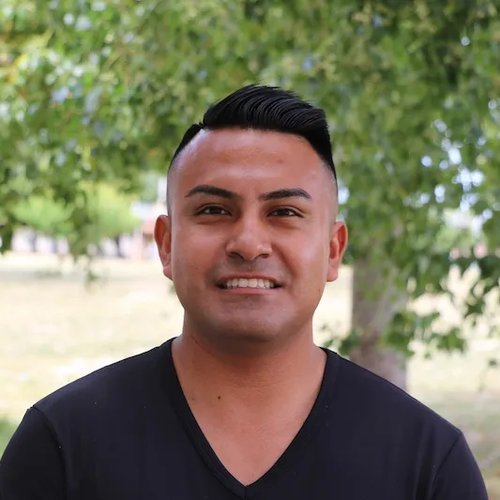
Portrait of Cesar De Jeronimo Diaz

Cesar De Jeronimo Diaz, PhD

Postdoctoral Fellow

Cesar holds a doctorate in Integrative and Biomedical Physiology from Pennsylvania State University. In the Fidler Lab, he studies how fibroblasts contribute to atherosclerosis. In his free time, Cesar enjoys running, traveling, and going to sports events.

Anna Lu Gan, MD

Postdoctoral Fellow

Anna is a fourth-year Cardiovascular Medicine resident from Berlin, Germany, completing her research fellowship in the Fidler Lab, where she studies clonal hematopoiesis and atherosclerosis. She spends her free time surfing the coast, practicing yoga, and hanging out in nature.
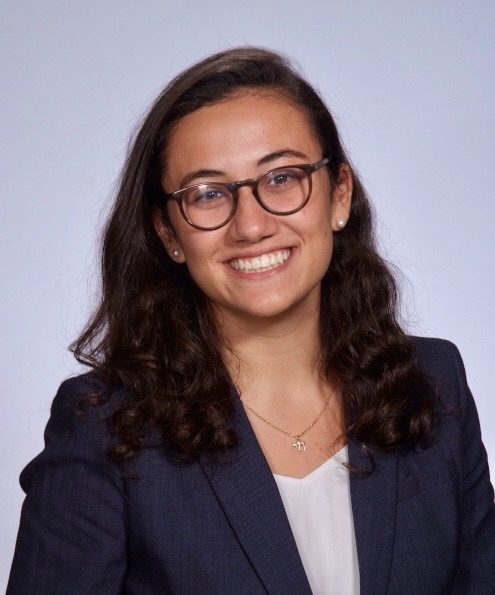
Portrait of Dina Levy-Lambert

Dina Levy-Lambert, MD

General Surgery Resident (PGY-3)

Immune function in atherosclerosis using human plaque

Lamario Williams, MD

General Surgery Resident (PGY-2)

T cells in human atheromas
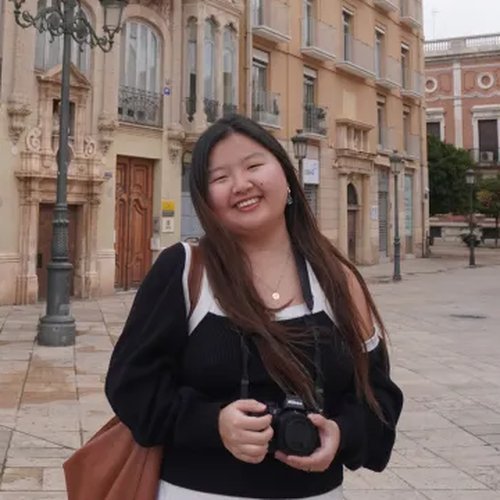
Portrait of Grace Qian

Grace Qian

PhD Candidate, Berkeley–UCSF Biomedical Engineering

Grace holds a Bachelor's and Master's in Bioengineering from the University of Pennsylvania. In the Fidler Lab, she explores the role of fibroblasts in atherosclerosis: whether they recruit immune cells, change the behavior of effector cells, or do something else. In her free time, she loves karaoke, tide pooling, exploring craft and farmers markets, and taking her dog on nature walks.
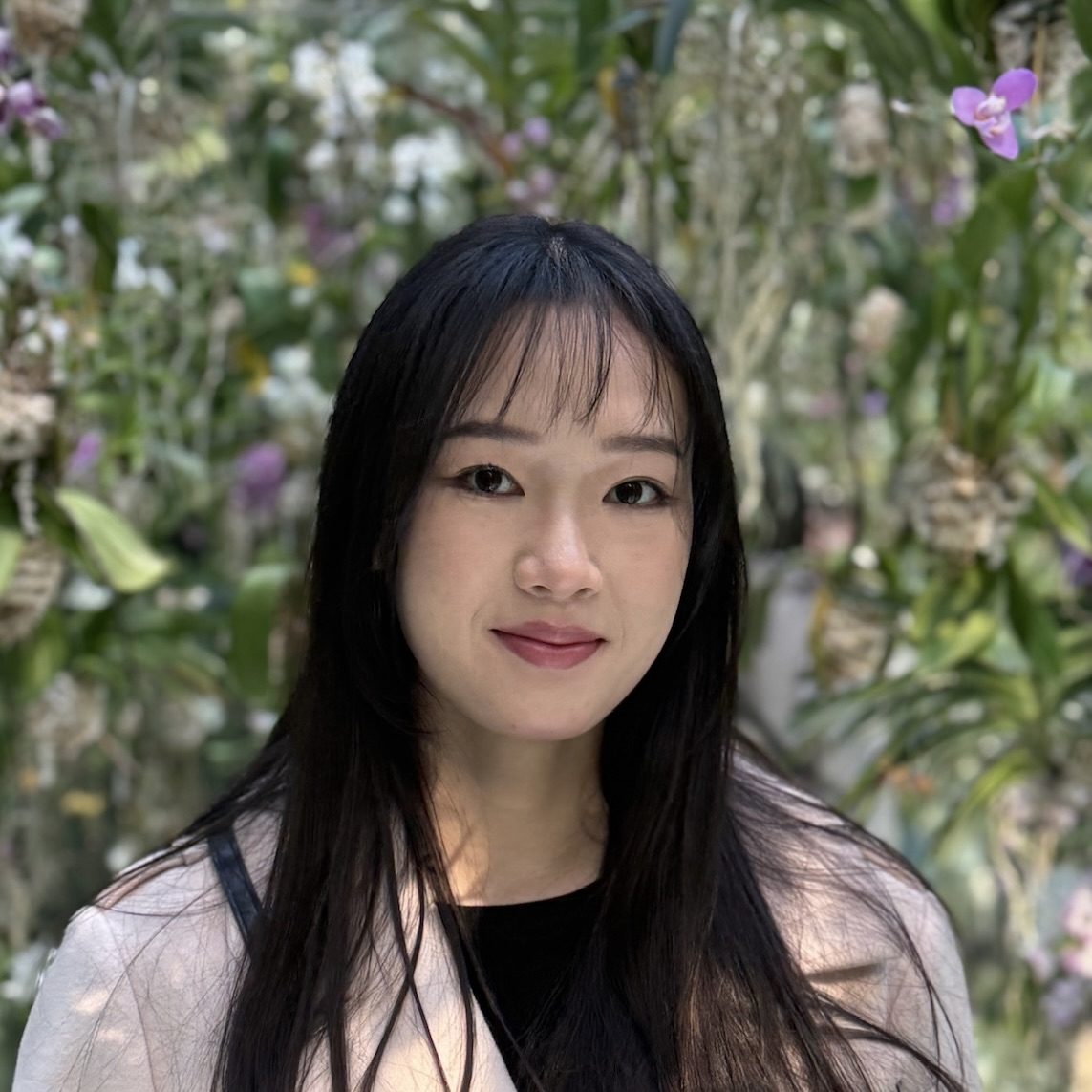
Portrait of Jun Liao

Huajun (Jun) Liao

Post-bac Staff Research Associate II · Lab Manager

Jun holds a Bachelor's in Biochemistry from the University of California, Los Angeles. In the Fidler Lab, she is interested in the role of macrophages in inflammatory atherosclerosis. Outside of lab, she loves hanging out with friends, practicing golf, and taking care of her chickens.
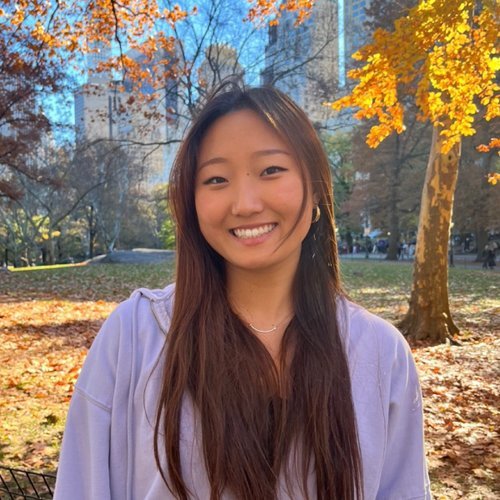
Portrait of Alice Kim

Alice Kim

Undergraduate Researcher, UC Berkeley (URAP)

Alice is a senior at UC Berkeley from San Jose, studying Molecular & Cell Biology. In the Fidler Lab, she assists with projects investigating mechanisms of atherosclerosis and vascular inflammation. In her free time, Alice enjoys swimming and trying new cafes.
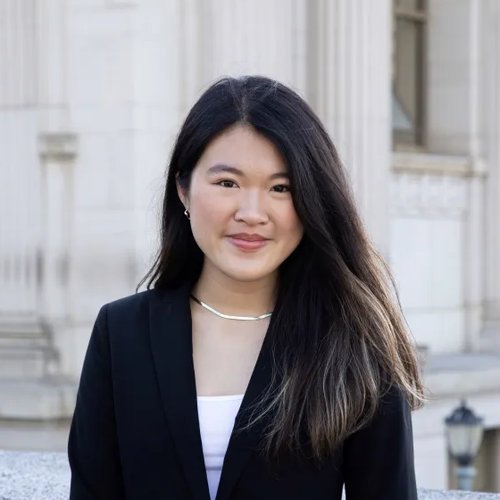
Portrait of Natalie Cheung

Natalie Cheung

Undergraduate Researcher, UC Berkeley (URAP)

Natalie is a senior at UC Berkeley from Hong Kong, studying Molecular & Cell Biology and Psychology. In the Fidler Lab, she is completing her honors thesis using CRISPR approaches to investigate pathways of immune-mediated atherosclerosis. In her free time, Natalie enjoys playing the piano and guitar and going on walks.

Former lab members

Isabelle Chen

Alum · Summer Research Intern, UC San Diego

Mandy Liu

Alum · Undergraduate Researcher, UC Irvine

Edithe Lam

Alum · Undergraduate Researcher, UC Berkeley
April Huang

Alum

Lab life

Outside the lab

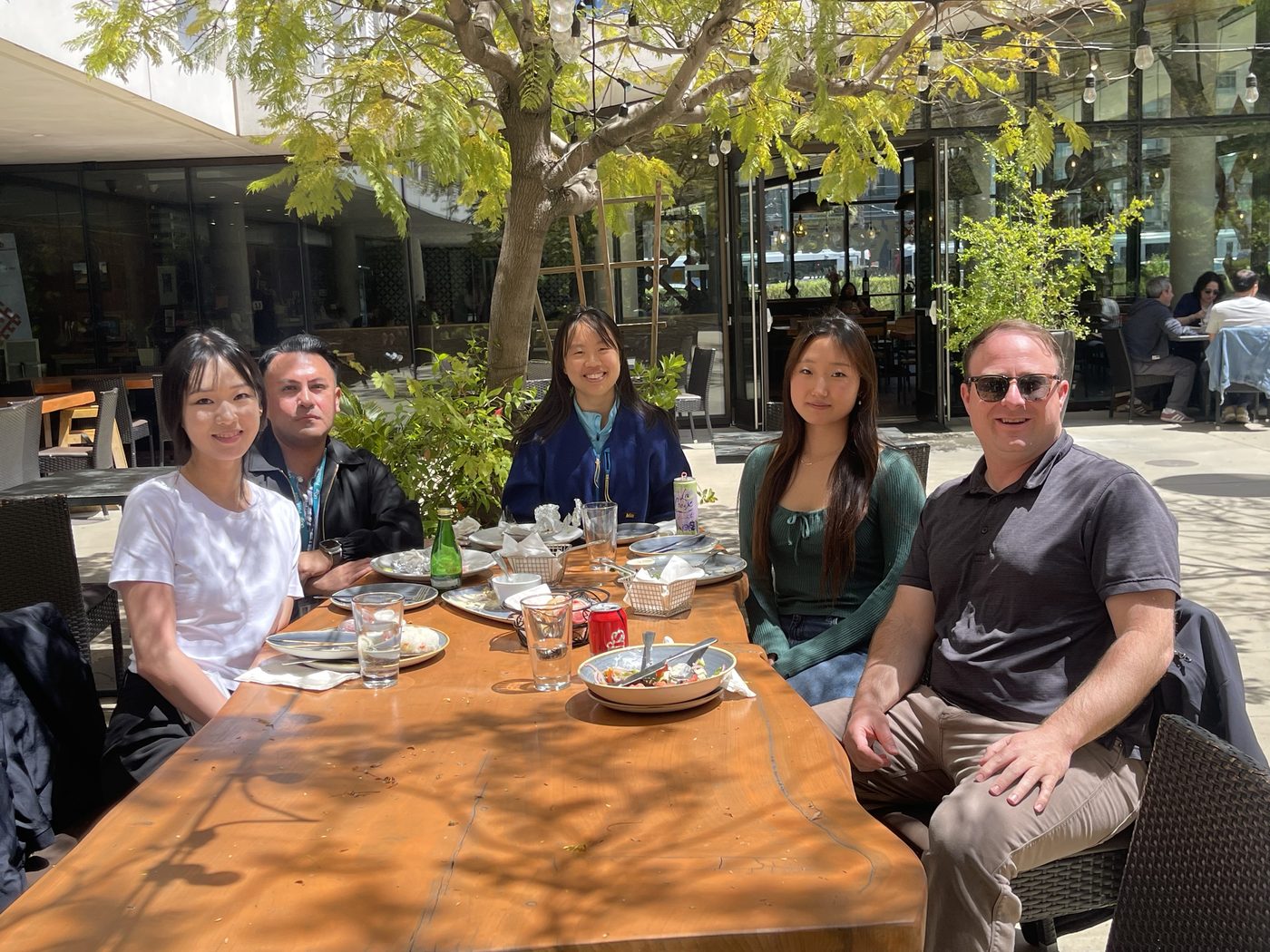
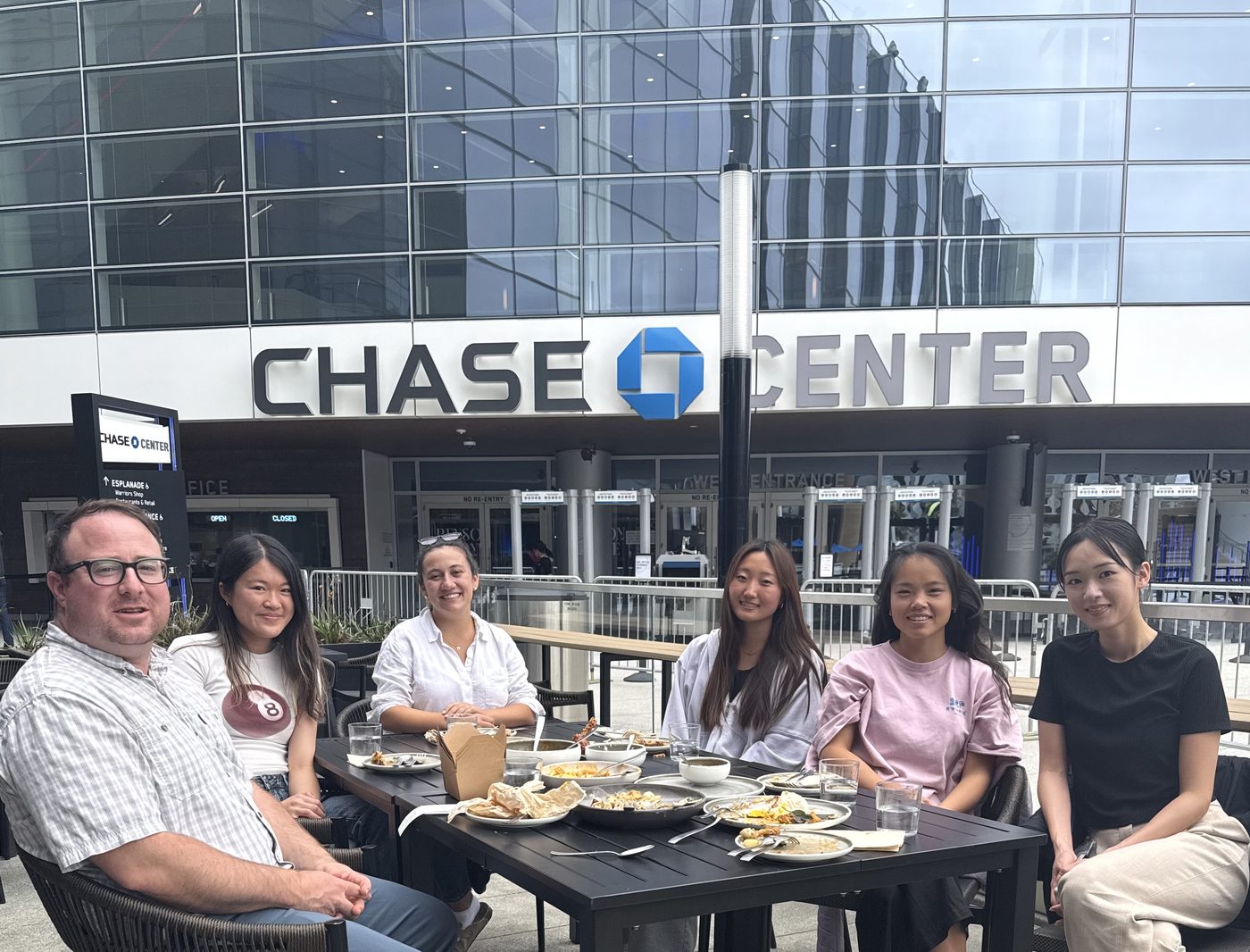
Fidler Lab members at a lab lunch outing
Fidler Lab members outside the Chase Center
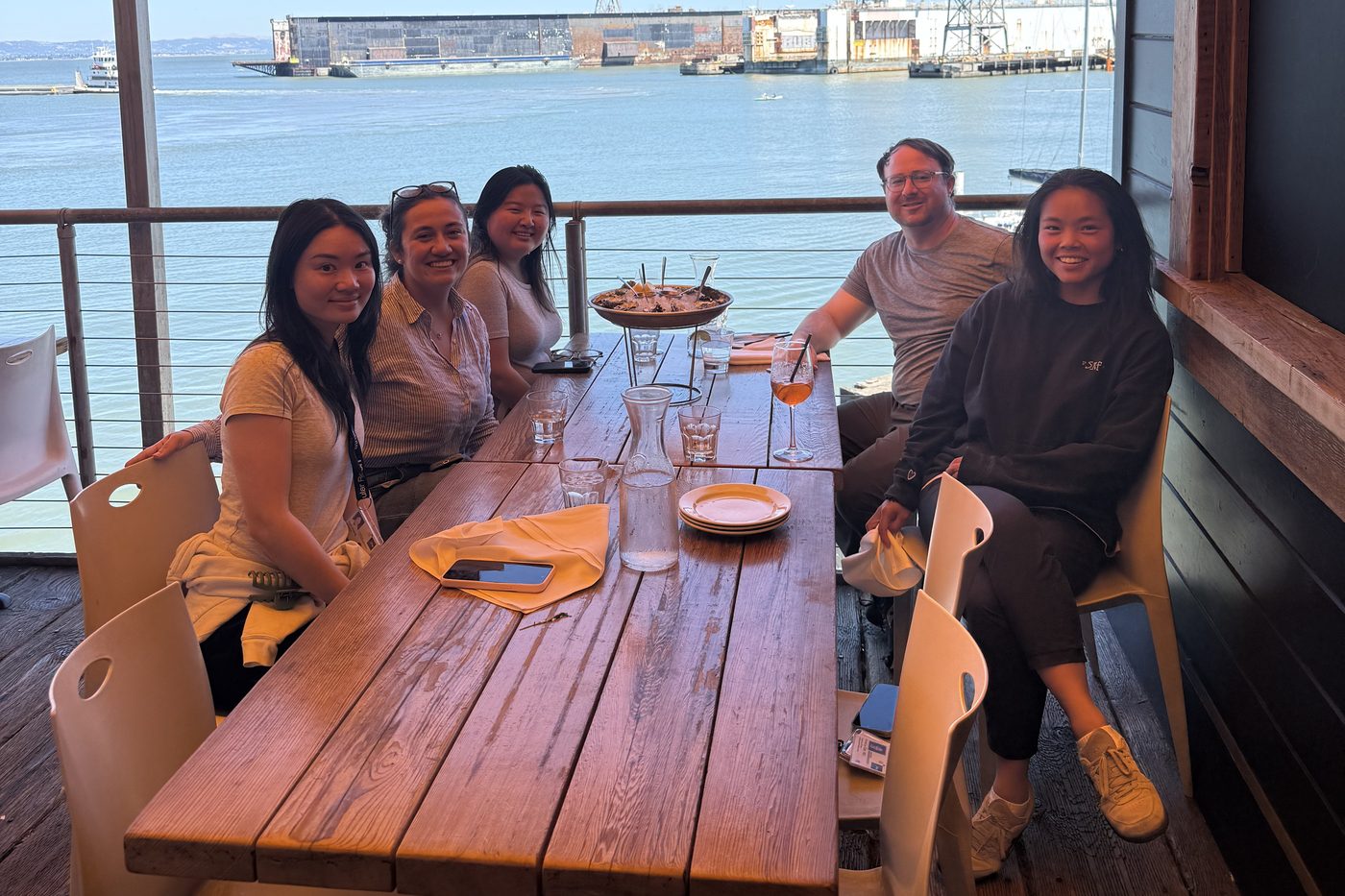
Lab members around a table on a covered waterfront deck
Happy hour before April heads to medical school
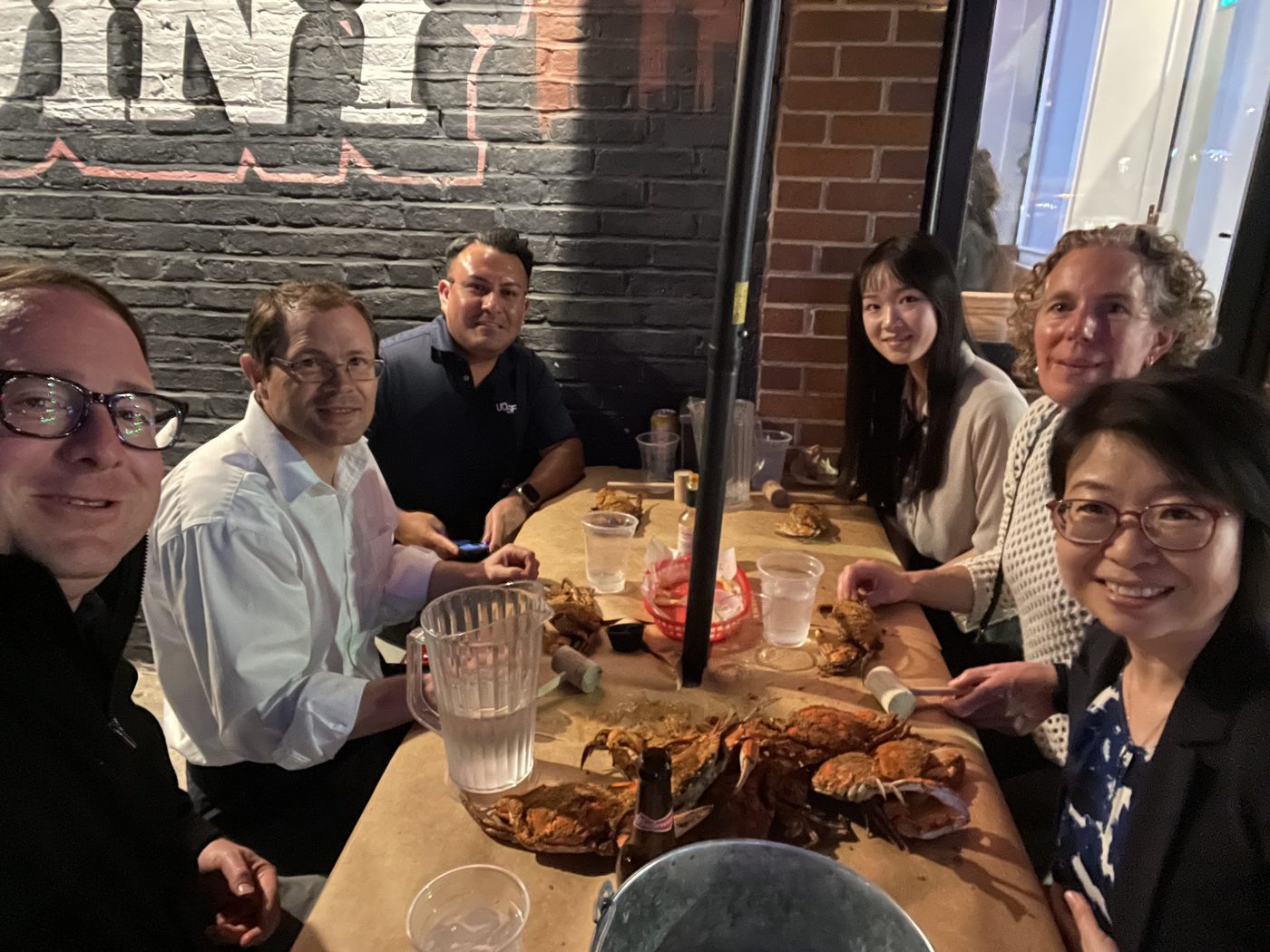
Lab members and friends around a table piled with steamed crabs
Baltimore Crab with Friends
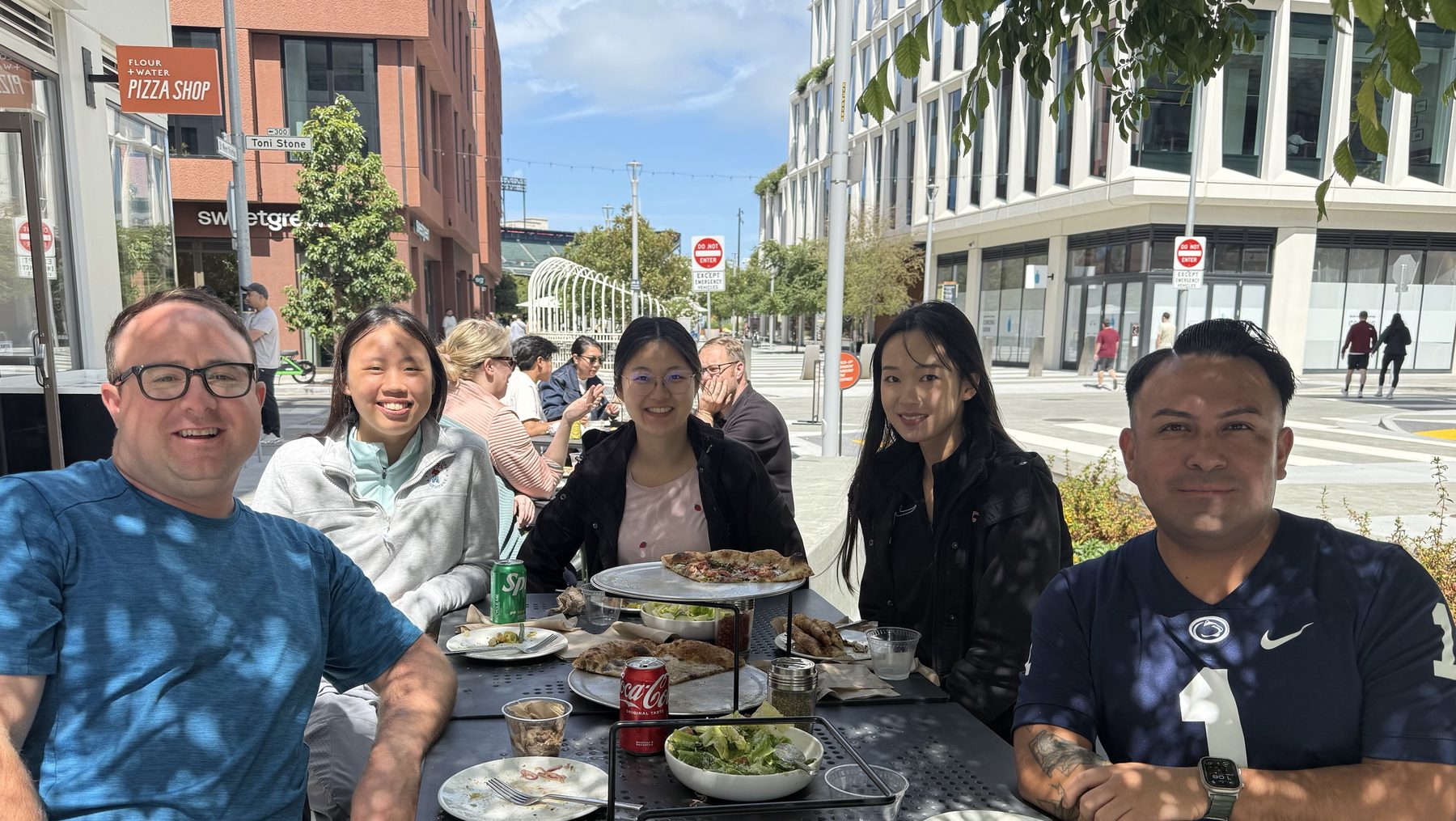
Lab members at an outdoor table with pizza in Mission Bay
Pizza break in Mission Bay
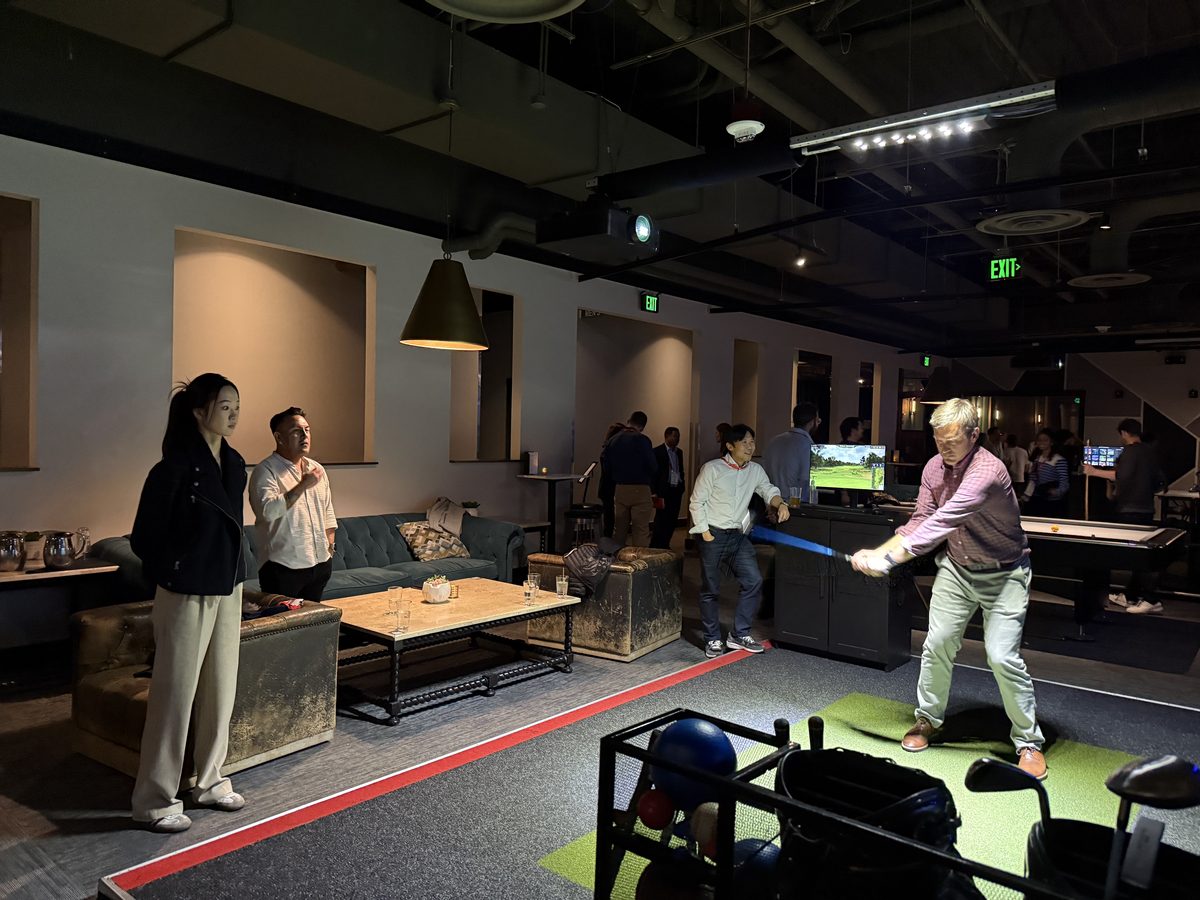
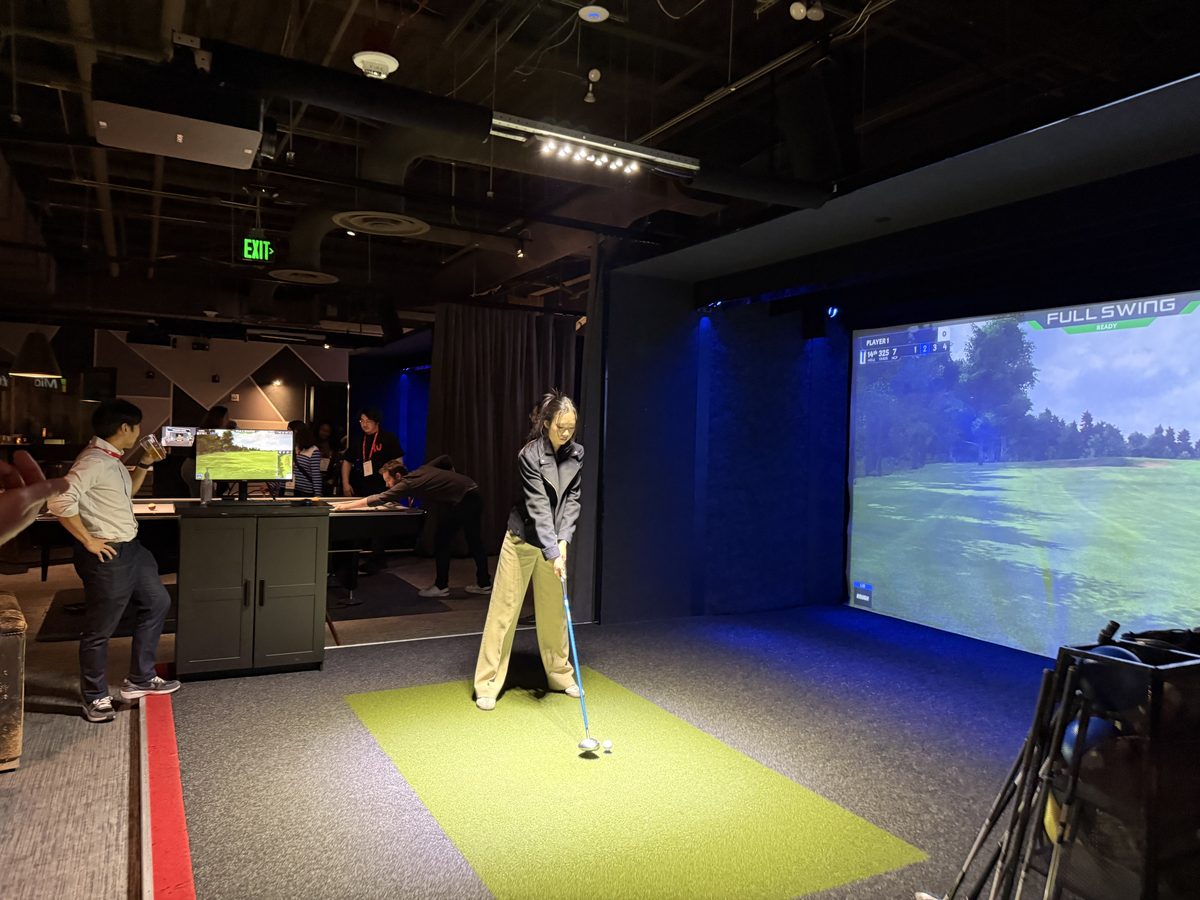
Lab member swinging at an indoor golf simulator while others watch Lab member lining up a shot at an indoor golf simulator
Golf in Seattle
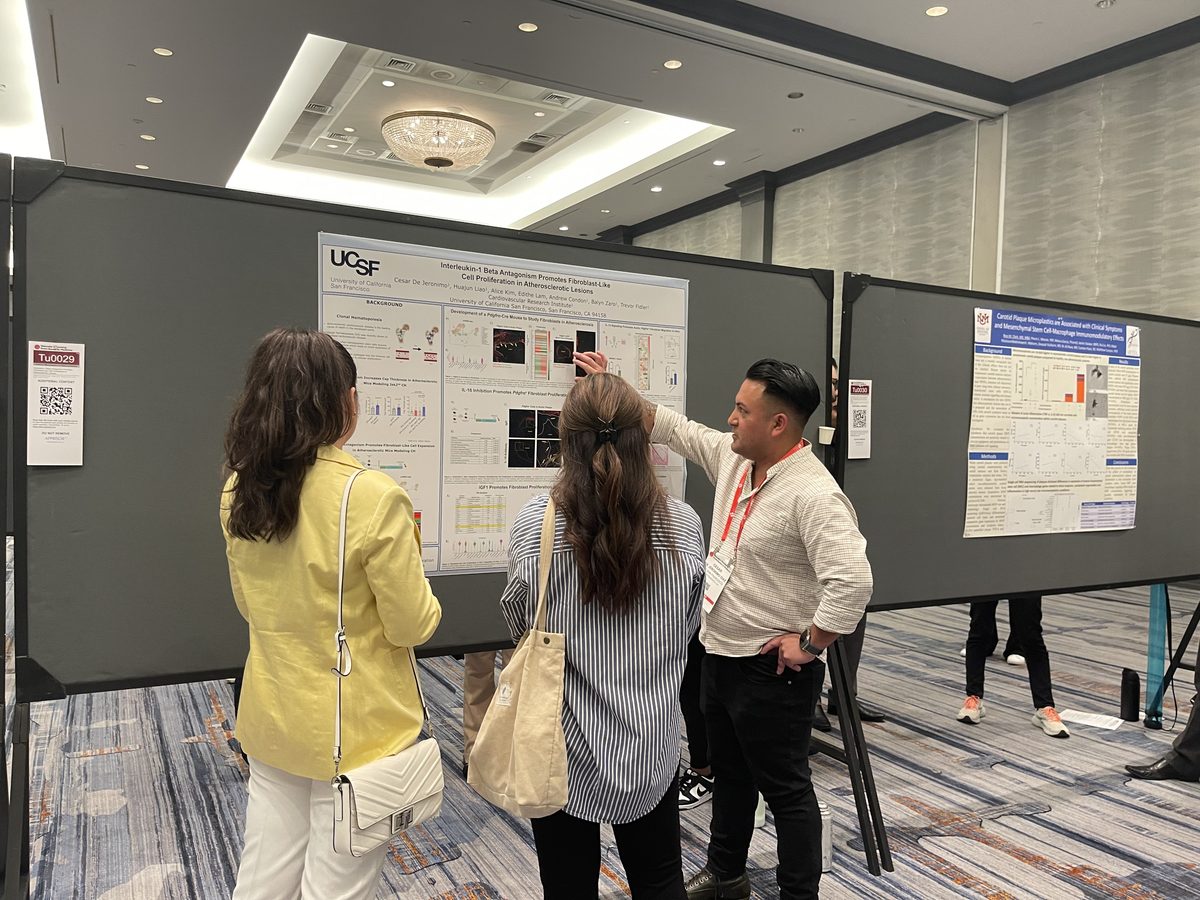
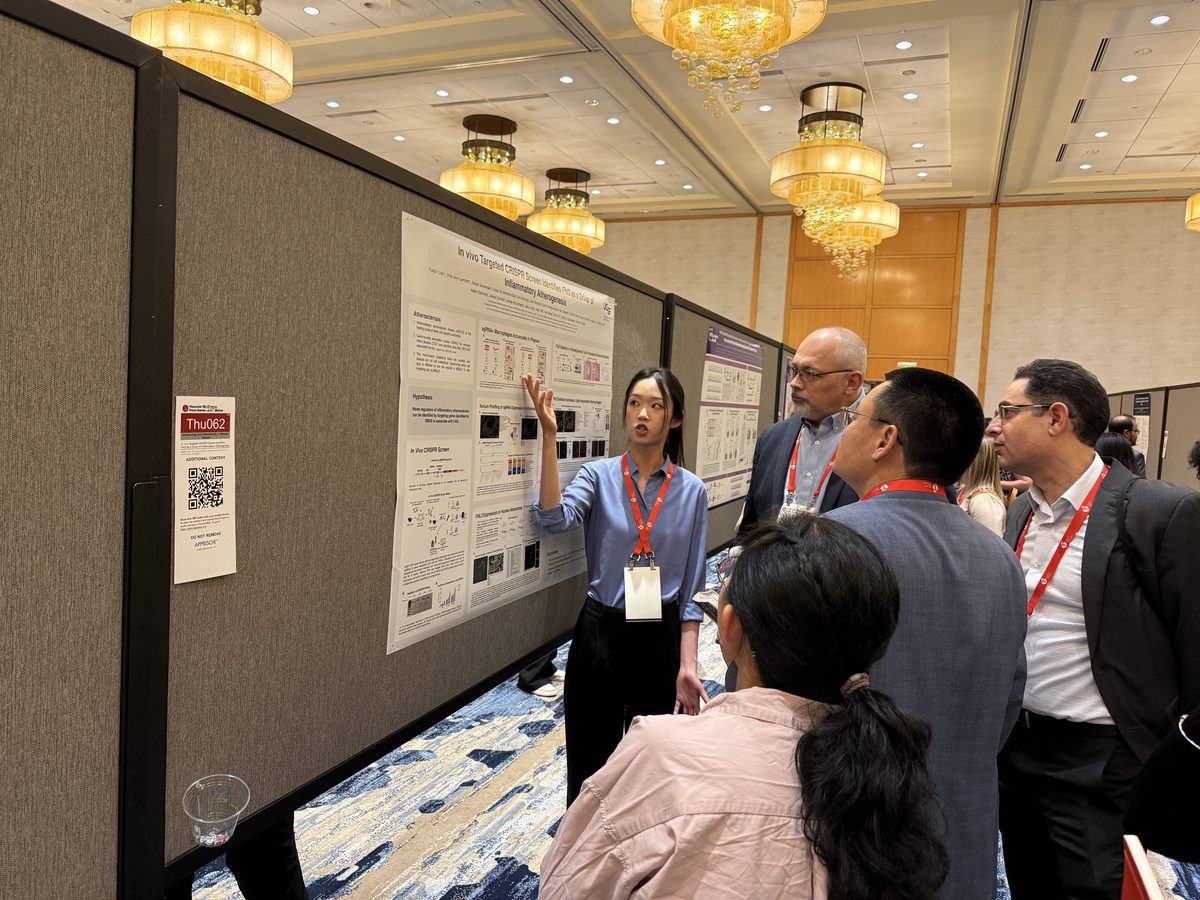
Lab member presenting a UCSF poster to visitors Lab member presenting a poster to a group of attendees
Poster presentations at Vascular Discovery 2026

Publications

Selected work

  • 2026

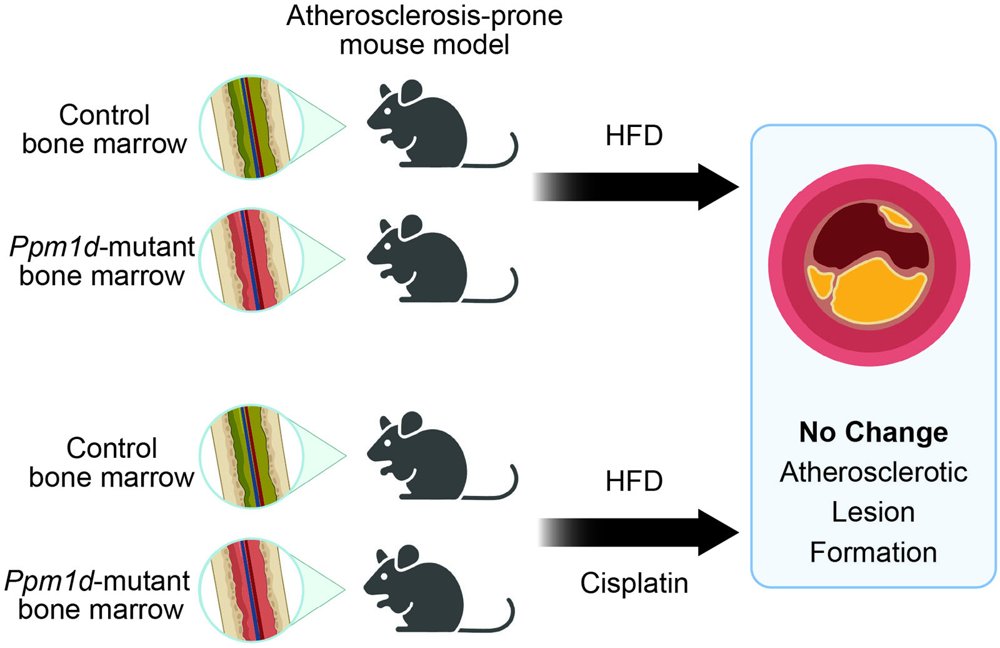
    Ppm1d Clonal Hematopoiesis Does Not Promote Atherosclerosis in Murine Models

    De Jeronimo Diaz C, Liao H, Hardaway B, Li L, Gan AL, Liu M, et al., Fidler TP · Arterioscler Thromb Vasc Biol 46(7):e323733 · PMID 42165150

    Graphical abstract: atherosclerosis-prone mice receiving control or Ppm1d-mutant bone marrow, fed a high-fat diet with or without cisplatin, show no change in atherosclerotic lesion formation
  • 2026

    Clonal haematopoiesis and cardiovascular diseases: challenges and opportunities (Review)

    De Jeronimo Diaz C, Fidler TP, Levy-Lambert D · European Heart Journal · PMID 41104558

  • 2025

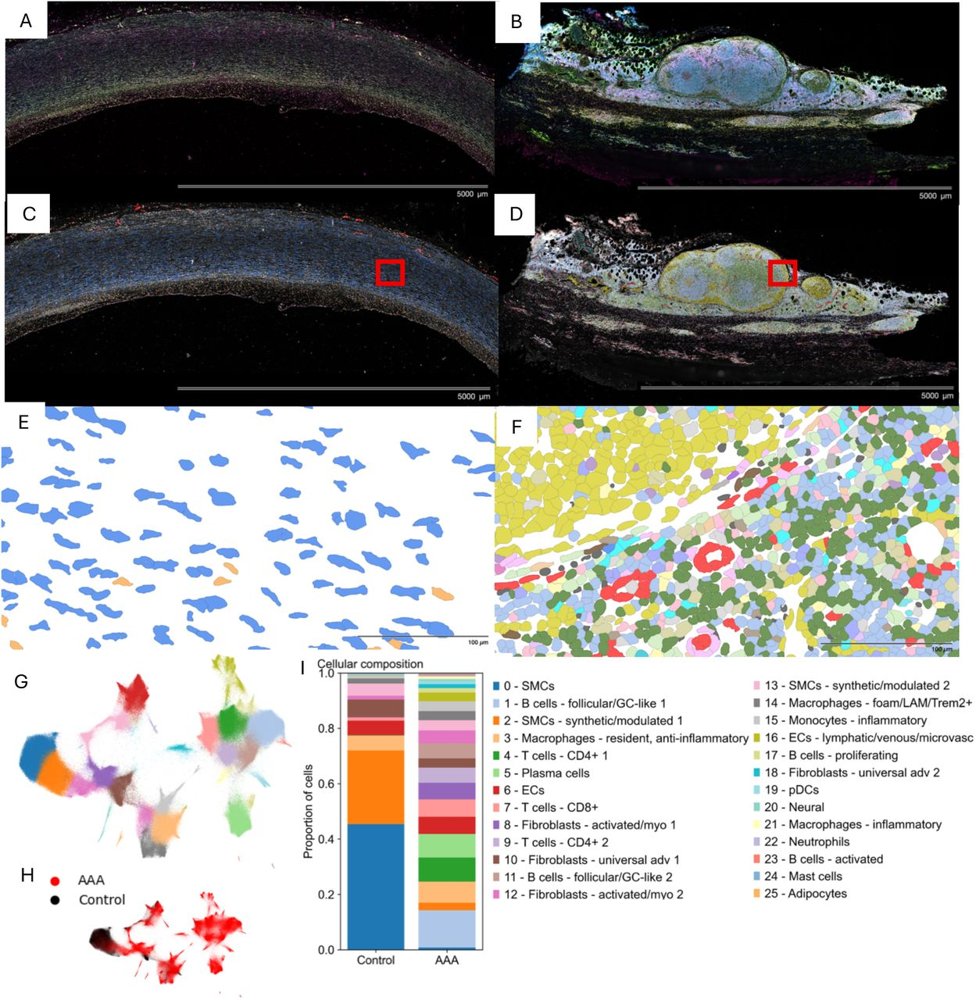
    Spatial Transcriptomics Reveals CXCL12⁺ Fibroblasts as Central Immune Organizers through CXCR4 Signaling in Abdominal Aortic Aneurysm

    Levy-Lambert D, Ramirez JL, Shaikh S, De Jeronimo Diaz C, Huang AG, Combes A, et al., Fidler TP, Oskowitz AZ · bioRxiv, co-corresponding author · PMID 41357983

    Spatial transcriptomics of control aorta versus abdominal aortic aneurysm: tissue sections, cell segmentation maps, UMAP clustering, and a bar chart showing the aneurysm has far fewer smooth muscle cells and many more immune cell types than control
  • 2024

    Suppression of IL-1β promotes beneficial accumulation of fibroblast-like cells in atherosclerotic plaques in clonal hematopoiesis

    Fidler TP, Dunbar A, Kim E, et al. · Nature Cardiovascular Research, co-corresponding author · PMID 38362011

  • 2023

    Genetic modification of inflammation- and clonal hematopoiesis-associated cardiovascular risk

    Yu Z, Fidler TP, Ruan Y, et al. · Journal of Clinical Investigation · PMID 37498674

  • 2021

    The AIM2 inflammasome exacerbates atherosclerosis in clonal haematopoiesis

    Fidler TP, Xue C, Yalcinkaya M, et al. · Nature, co-corresponding author · PMID 33731931

News

Recent updates

  • 2026Congratulations to Cesar De Jeronimo Diaz and Jun Liao for publishing their study showing that PPM1D-mutant clonal hematopoiesis does not accelerate atherosclerosis (Arterioscler Thromb Vasc Biol).
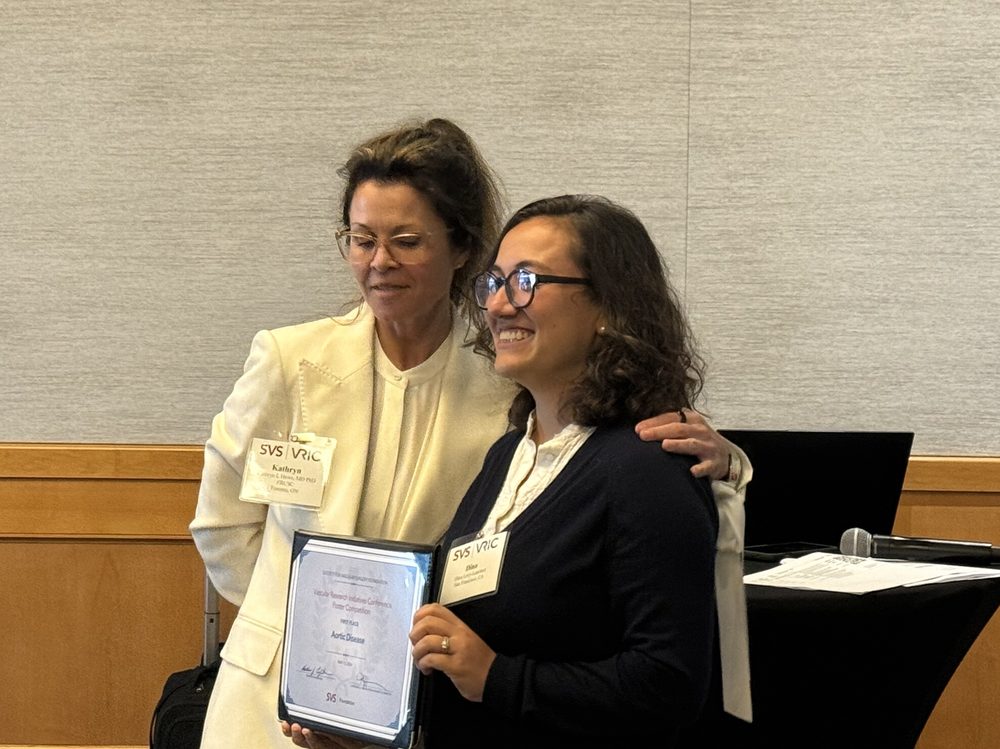
  • 2026Dina Levy-Lambert wins the Poster Competition at the Vascular Initiatives Research Conference (Seattle, WA) for "Spatial Transcriptomics Reveals CXCL12⁺ Fibroblasts as Central Immune Organizers through CXCR4 Signaling in Abdominal Aortic Aneurysm."Dina Levy-Lambert holding her poster competition award certificate
  • 2026Isabelle Chen joins the lab as a summer research intern.
  • 2026Dr. Fidler named Chair-Elect of the Shobha Ghosh Investigator in Training Award Selection Committee, American Heart Association Council on Arteriosclerosis, Thrombosis and Vascular Biology.

Contact

Get in touch

Email
Trevor.Fidler [at] ucsf.edu

Address
UCSF Cardiovascular Research Institute
555 Mission Bay Blvd S., Room 484K
San Francisco, CA 94158

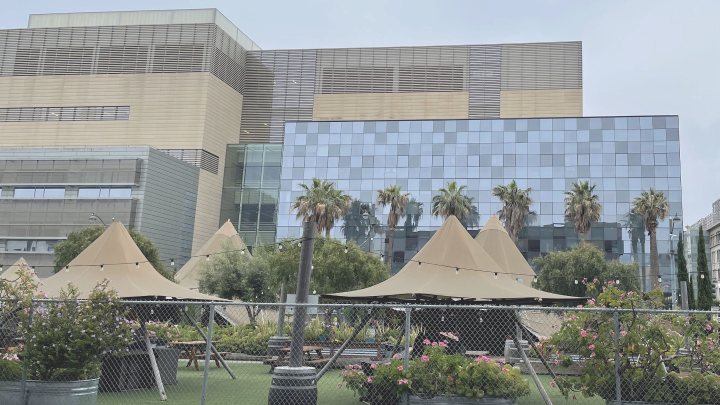
UCSF Cardiovascular Research Institute building exterior